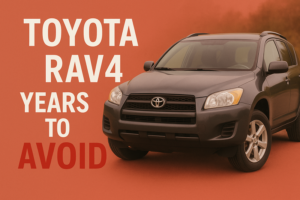
Buying a used Toyota RAV4 can be a wise choice, offering versatility, fuel efficiency, and Toyota’s reputation for longevity. However, not all model years are created equal. Certain RAV4s—especially early years of new generations—are prone to recurring issues such as transmission failures, excessive oil consumption, and electrical glitches. These problems, often overlooked by buyers, can quickly lead to costly repairs and stress-filled ownership.
In this guide, we highlight the Toyota RAV4 years to avoid, detailing the most problematic models, common issues reported by owners, and their impact on safety, performance, and maintenance costs. Using insights from Consumer Reports, NHTSA, and owner experiences, you’ll learn how to make an informed choice and avoid the pitfalls that have frustrated countless drivers.
By understanding which models carry risk and what to watch for during inspections, you can confidently select a Toyota RAV4 that delivers reliability, efficiency, and peace of mind. Whether you’re shopping for a family SUV, a commuter vehicle, or a long-term investment, this guide ensures you skip the worst RAV4 years and focus on the models most likely to stand the test of time.
Overview of Generations and Reliability Trends of the Toyota RAV4
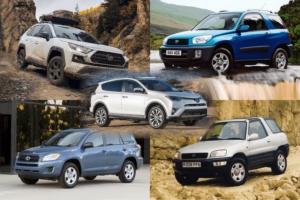
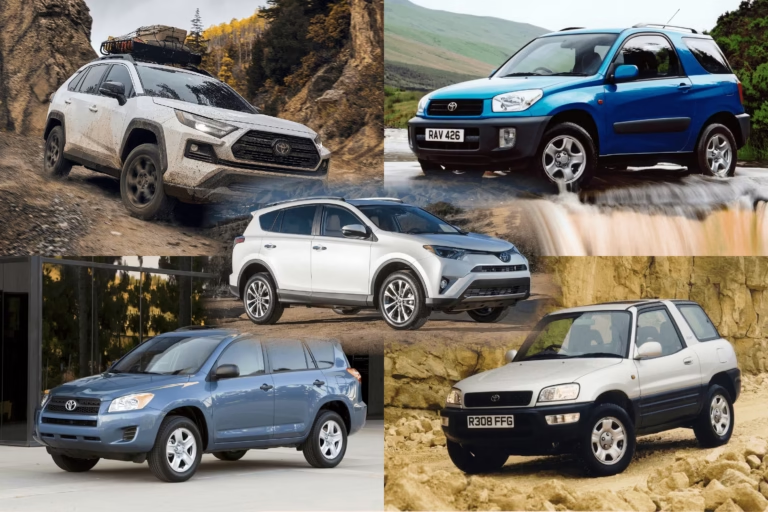
Since its debut in 1996, the Toyota RAV4 has evolved from a compact, car-based crossover into one of the most versatile and best-selling SUVs in the market. Over nearly three decades, the model has gone through multiple generational changes, each bringing new engines, safety systems, and driving technologies. However, reliability has not been consistent across all generations, making year-specific research essential for buyers.
Early RAV4 models from 1996 to 2005 were mechanically simple, which made them easier and cheaper to repair, though they lacked modern safety and comfort features. As the RAV4 progressed into later generations, Toyota introduced advanced electronics, new transmissions, and hybrid systems. While these upgrades improved performance and efficiency, they also introduced technology-related reliability concerns, particularly in some newer model years (2019 and beyond).
In most cases, Toyota RAV4 model years tend not to align with the first production years of new generations. These early models often suffer from untested designs, software glitches, or component failures that are typically resolved in later updates. Understanding these generational patterns helps buyers avoid problematic years and choose a RAV4 that offers long-term dependability, lower repair costs, and a more satisfying ownership experience.
Key Reliability Metrics in 2025
Owners of these models often report safety concerns, like steering failures during commutes, turning routine drives into potential hazards. Knowing which Toyota RAV4 years to avoid can help prevent costly repairs and stress.
| Model Year | NHTSA Complaints | Common Issue | Avg Repair Cost* |
|---|---|---|---|
| 2006–2008 | 700+ / year | Oil consumption | Up to $2,000 |
| 2013 | 500+ | Transmission | Around $1,800 |
| 2019 | 600+ | Battery/Fuel | $1,200+ |
Telling the Problem: Major Issues in the Worst RAV4 Years
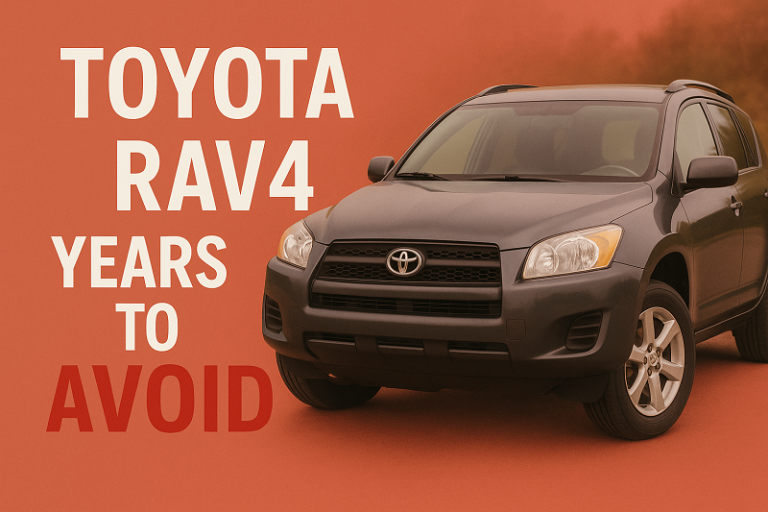
The core problem with RAV4 years to avoid is recurring defects that compromise safety and longevity. For instance, excessive oil consumption in 2006-2008 models can lead to engine failure if ignored. Similarly, 2001-2003 suffered from ECM and transmission failures, causing stalling.
2001-2003: Transmission and ECM Nightmares
These second-generation models are prone to transmission slipping and ECM malfunctions, often requiring significant repairs. Owners report stalling during daily driving, causing inconvenience and extra costs.
2006-2008: Oil Burning and Steering Woes
These third-generation vehicles may burn oil excessively and develop steering concerns. Recalls addressed airbags and other defects. Regular maintenance is essential to avoid breakdowns.
2013 and 2019: Modern Glitches
Fourth- and fifth-generation models had transmission hesitation, battery drain, and fuel pump issues. Some complaints persist in 2019–2020 models, but Toyota has addressed many with recalls and updates.
Emerging 2025 Issues
Even 2025 models experience minor electrical faults, occasional transmission quirks, and road noise. These issues are generally less severe than earlier problems but should be monitored.
Relating the Problem: How These Issues Impact Owners
These defects impact owners financially and emotionally. For example, oil or steering issues in older RAV4 models can cost thousands in repairs and disrupt daily routines. Safety concerns, especially in high-traffic or winter conditions, add stress. Forums and owner reviews frequently highlight frustration from unexpected breakdowns.
Finding Solutions: Tips to Avoid and Mitigate Issues
The most innovative solution begins with avoidance. Buyers should avoid the Toyota RAV4 years and focus on proven, dependable models. Years such as 2016–2018 are widely considered safer choices thanks to resolved mechanical issues, stable transmissions, and intense owner satisfaction. These models offer a practical balance between modern features and long-term reliability (covered in detail in our best RAV4 years guide).
For owners of a higher-risk RAV4, proactive maintenance becomes critical. Consistent care can significantly reduce the risk of failure when known problem areas are addressed early. Older models require close monitoring of oil consumption, while newer generations rely heavily on updated software and electronic systems for proper operation.
Pre-Purchase Checklist for Used Toyota RAV4 Buyers
Before completing a purchase, take these steps to minimize unexpected repair costs:
- Get a professional mechanical inspection, focusing on the transmission, battery system, and steering components.
- Check the VIN through NHTSA for open recalls or unresolved safety issues.
- Review Carfax or service records for maintenance consistency and accident history.
- Test drive in mixed conditions to detect hesitation, abnormal noises, or warning lights.
Maintenance Strategies to Reduce Long-Term Risk
Proper maintenance plays a key role in extending vehicle life, especially in known problem years:
- Oil-consuming models: Use high-quality synthetic oil and shorten oil change intervals to 3,000–4,000 miles to protect the engine.
- Tech-heavy models: Keep vehicle software and infotainment systems updated through authorized Toyota dealers to prevent electrical issues.
- Routine checks: Regularly inspect fluid levels, battery health, and suspension components to catch problems early.
With the right buying approach and disciplined maintenance, even a used Toyota RAV4 can deliver reliable performance while avoiding the financial stress linked to problematic model years.
User Guide: Comprehensive Worst Years Integration
User Guide: Step-by-Step Toyota RAV4 Buying Process
Step 1: Set Your Budget and Driving Needs
Begin by defining how much you are willing to spend and how you plan to use the vehicle. Consider whether you need a fuel-efficient daily commuter, a family SUV, or light off-road capability—factor in ownership costs such as insurance, maintenance, and fuel, not just the purchase price.
Step 2: Avoid Known Problematic Years
Research and avoid the Toyota RAV4 years known for reliability issues, especially early production years of new generations. Prioritize models with strong reliability records and choose lower-mileage vehicles with documented service history for better long-term value.
Step 3: Conduct a Thorough Test Drive
Test drive the vehicle in city traffic and on highways. Pay close attention to transmission smoothness, steering response, braking feel, and suspension noise. Check that electronics, infotainment, warning lights, and driver-assistance systems function correctly.
Step 4: Inspect and Verify History
Have the vehicle inspected by a trusted mechanic, focusing on common RAV4 problem areas. Review the VIN for recalls, confirm repair records, and verify accident history through Carfax or similar reports.
Step 5: Negotiate with Known Issues in Mind
Use reliability data, inspection results, and known model-year weaknesses to negotiate the price if the vehicle belongs to a higher-risk year, and factor in potential future repairs and maintenance costs before finalizing the deal.
Following this step-by-step approach helps buyers minimize risk, avoid costly mistakes, and select a Toyota RAV4 that delivers dependable performance and long-term peace of mind.
Advantages and Disadvantages of Owning a Problematic RAV4 Year
Pros:
- Low entry price of older models.
- When well kept, it still has good fuel economy.
- Renowned interior through the years.
Cons:
- Huge repair costs can wipe out savings.
- Declining resale value due to reputation.
- Unresolved recalls are safety hazards.
FAQs
- What year Toyota RAV4 to avoid?
Mostly 2001-2003, 2006-2008, 2013, and 2019.
- Which Toyota RAV4 to avoid in 2025?
Early fifth gen like 2019. There may also be electrical problems in 2025.
- Bad years for Toyota RAV4 hybrids?
Yes, 2019 for fuel tank issues. See our hybrid guide.
- How to fix common issues?
Professional diagnostics and full recalls are done on time.
Conclusion
Avoiding the Toyota RAV4 for years can significantly reduce regret and unexpected ownership costs. This guide highlights common problem years, explains their long-term effects on performance and safety, and outlines practical solutions for buyers and current owners. Understanding these issues in advance helps you steer clear of the worst Toyota RAV4 model years and make a smarter, more confident purchase.
For shoppers seeking dependable options, reviewing our guide to the best Toyota RAV4 years can further narrow your choices to models with proven reliability and intense owner satisfaction. Safety should always be the top priority, especially when buying a used SUV. A thorough inspection, verified service history, and recall check are essential steps before committing to any vehicle.
By combining informed research with careful inspection, buyers can enjoy the RAV4’s practicality, efficiency, and long-term value—without the frustration commonly associated with problematic model years. Drive smart, prioritize safety, and choose wisely for a smoother ownership experience.