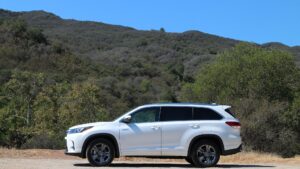
You load your children, luggage, and weekend essentials into a spacious three-row SUV, expecting a calm and reliable drive. The ride feels smooth, the cabin is quiet, and everything works as it should. That is the Toyota Highlander—when you choose the right model year.
However, selecting the wrong year can quickly turn convenience into frustration. Unexpected breakdowns, repeated recalls, and rising repair bills can disrupt family plans and create long-term stress. As used Highlanders flood the market in late 2025, knowing which years to avoid becomes just as important as finding a reasonable price.
Since its launch in 2001, the Toyota Highlander has become one of America’s most trusted midsize three-row SUVs. Families value it for everyday comfort, safety features, and long-term dependability. By late 2025, the lineup will include turbocharged gas models, highly efficient hybrids delivering up to 36 MPG, and the larger Grand Highlander designed for growing families.
Overall reliability remains strong, with J.D. Power scores typically ranging from the low-80s to high-80s, but performance and durability vary significantly by model year. Certain years are prone to engine, transmission, or electrical problems, which can be costly in the used market.
This guide breaks down years to avoid while buying the Toyota Highlander, highlights the most reliable Highlander years, and explains common problems using late-2025 data from NHTSA, Consumer Reports, J.D. Power, and honest owner feedback. The goal is simple: help you buy smarter and drive with confidence.
Overview of Toyota Highlander Generations: Evolution, Features, and Reliability Trends
Breaking down generations reveals Toyota’s progress—and occasional missteps.
First Generation (2001–2007)
The original Highlander introduced car-like comfort to the SUV segment. While early models faced manufacturing and engine-related issues, later years proved durable and remain capable of high mileage when well maintained.
Second Generation (2008–2013)
A larger cabin and improved safety made this generation popular. However, oil consumption problems in specific V6 models hurt reliability. Later production years resolved most issues and are generally safer to use.
Third Generation (2014–2019)
This redesign brought modern styling, advanced technology, and Toyota Safety Sense. Early transmission shudder and water leak complaints improved significantly by the final years, making this generation one of the most dependable overall.
Fourth Generation (2020–Present)
Toyota replaced the V6 with a turbocharged four-cylinder and refined its hybrid systems. While early launch models had software and fuel-related complaints, post-2021 versions—especially hybrids—earn top reliability ratings.
Key Features of the Toyota Highlander
The Highlander’s lasting appeal comes from thoughtful features that prioritize family needs.
Hybrid Powertrain Efficiency
The Highlander Hybrid remains a segment leader, combining a 2.5L engine with electric motors for smooth acceleration, strong reliability, and excellent fuel economy. Reduced brake wear and proven battery longevity add long-term value.
Toyota Safety Sense
Standard since 2017 and upgraded to TSS 3.0 in recent models, this suite includes adaptive cruise control, lane-keeping assist, automatic emergency braking, and pedestrian detection—key reasons the Highlander consistently earns high safety ratings.
Interior Comfort & Versatility
With seating for up to eight passengers, sliding second-row seats, and flexible cargo space, the Highlander suits daily commuting and extended family trips equally well.
Telling the Problems: Toyota Highlander Problems by Year (Late-2025 Data)
Late-2025 NHTSA/owner data highlights clear patterns.
Certain model years show consistently higher complaint volumes and recall activity:
- 2001–2003 – Early engine failures, overheating, and head bolt issues leading to expensive repairs
- 2008–2010 – Excessive oil consumption, braking system complaints, and dashboard cracking
- 2014–2015 – Transmission hesitation, cabin water leaks, and fuel-system recalls
- Early 2020 models – Initial production issues, including software glitches and fuel leaks
Toyota Highlander hybrid years to avoid: Primarily 2006-2008 (battery/inverter failures $5,000+); early 2020 shared issues.
Common Problems with Toyota Highlander (Across Eras + Late-2025 Insights)
Across different generations, recurring issues include:
- Engine oil consumption in older V6 models
- Transmission hesitation in some gas versions
- Electrical and infotainment glitches
- Suspension and brake wear in early models
- Wind noise and turbo harshness in newer gas trims
These common problems with the Toyota Highlander escalate over time due to design flaws.
Relating the Problems: Real Owner Impacts in Everyday Life
Reliability issues go beyond inconvenience. Owners report frequent oil top-offs, unexpected warning lights, and repeated visits to the dealer. For families, this means lost time, reduced confidence in safety, and higher ownership costs. Problematic years also depreciate faster, often erasing resale value and diminishing long-term savings—especially for hybrid buyers.
Finding the Solutions: Most Reliable Toyota Highlander Years & Best Used Buys
Buyers seeking long-term peace of mind should focus on:
- 2004–2007 (late first-gen)
- 2011–2013
- 2016–2019
- 2021–2025, particularly hybrid models
These years consistently deliver intense owner satisfaction, fewer recalls, and the best chance of exceeding 250,000 miles with routine maintenance.
In-Depth 2025 Comparative Study: Toyota Highlander vs. Top Rivals
The Late-2025 segment is brutal—here’s how Highlander stacks up against the Honda Pilot, Kia Telluride, Hyundai Palisade, Mazda CX-90, and Chevrolet Traverse.
Toyota Highlander vs. Honda Pilot
Both reliability kings (Highlander has a slight long-term edge). Pilot: Roomier third-row, smoother V6, better cargo. Highlander: Superior hybrid MPG (36 vs. Pilot’s 27 max), resale. Pilot complaints: Infotainment/transmission. Winner: Highlander for efficiency/longevity; Pilot for space.
Toyota Highlander vs. Kia Telluride / Hyundai Palisade
Telluride/Palisade: Upscale interiors, features, 10-year warranty, bolder styling. Improved reliability (Telluride 86/100 J.D. Power). Issues: Past engine recalls. Highlander: Proven 200k+ miles, hybrid dominance. Winner: Rivals for luxury/value; Highlander for durability.
Toyota Highlander vs. Mazda CX-90
CX-90: Engaging drive, premium feel, PHEV option. Reliability trails Toyota. Highlander: Smoother hybrid, lower costs long-term.
Toyota Highlander vs. Chevrolet Traverse
Traverse: Massive space, bold refresh. Reliability average. Highlander: Better efficiency, resale.
Late-2025 Verdict: Highlander wins reliability/efficiency; rivals shine in space/luxury—cross-shop hybrids for max savings.
User Guide: Smart Buying, Ownership, and Maintenance Mastery
This is your step-by-step playbook for choosing, buying, and maintaining a Toyota Highlander that delivers years of trouble-free service.
Comprehensive Used Toyota Highlander Buying Guide (Late-2025 Tips)
- Prioritize most reliable Toyota Highlander years (2016+ recommended).
- Set a realistic budget: Strong used examples (2016-2019) $20,000–$35,000; newer 2021-2025 $35,000–$50,000; brand-new $41,000–$55,000+.
- Schedule extended test drives: Drive highways, city streets, and accelerate hard to detect noises, hesitation, or shudder.
- For hybrids: Always request a battery health diagnostic and confirm remaining warranty coverage.
- Opt for Toyota Certified Pre-Owned (CPO) vehicles for an extended warranty and thorough inspection.
- Check for open recalls via VIN on NHTSA.gov—late-2025 data shows most current models clear, but older ones may need fixes.
- Compare trims: LE/XLE for value; Limited/Platinum for luxury; hybrid for savings.
Essential Toyota Highlander Maintenance Tips and Schedule
Proactive maintenance is the secret to avoiding common problems with the Toyota Highlander and reaching high mileage. Follow Toyota’s official late-2025 schedule:
| Interval | Key Services |
| Every 5,000 miles/6 months | Tire rotation & balance; brake & fluid inspection; full multi-point inspection. |
| Every 10,000 miles/12 months | Synthetic oil & filter change (0W-20 gas / 0W-16 hybrid), replace cabin air filter |
| Every 15,000–30,000 miles | Engine air filter replacement, wheel alignment check, measure brake pads/rotors |
| Every 30,000 miles | Transmission fluid inspection (gas models), spark plug check |
| Every 60,000 miles | Coolant replacement, drive belt inspection, and major brake service if needed |
| Every 100,000 miles | Full coolant & brake fluid flush, timing chain inspection (no belt needed) |
Advanced Longevity Tips:
- Always use genuine Toyota parts and fluids—aftermarket alternatives can accelerate wear and void coverage.
- Shorten all intervals by 50% if you tow, drive on dusty roads, or make frequent short trips (severe conditions).
- Hybrid owners: Clean the battery cooling fan intake filter every 5,000–10,000 miles to prevent overheating and extend battery life.
- Perform monthly visual checks: Oil level (critical for older V6 models), tire pressure, and fluid leaks.
- DIY-friendly tasks like oil changes, air filter swaps, and wiper replacements can save $300–$500 yearly.
- Use professional Toyota technicians for hybrid diagnostics and primary services—they have specialized tools.
Following this guide religiously helps owners avoid 80–90% of potential issues—many report zero major repairs well past 200,000 miles.
Pros and Cons of Toyota Highlander Ownership in Late 2025
Before committing to a Toyota Highlander, it’s essential to weigh the advantages against the drawbacks. While the Highlander excels in many areas, it isn’t perfect for every buyer—especially when compared to newer rivals that prioritize flashier design or luxury.
The Pros: Why the Highlander is still a Best Pick.
The Toyota Highlander is suitable for long-term ownership. Its benefits accumulate with time. The most significant advantage is the savings of hybrid fuel. It has up to 36 MPG combined in end-2025 models. This will save actual cash at the gas tank, even over several years. It also provides silky power and swift response. Families like the interior design. It has seats for up to eight. It is equipped with reasonable cargo behind the third row. It also has numerous small storage areas that assist with daily tasks.
Another reason people pick it is safety. All Highlanders sold since 2017 will include Toyota Safety Sense. It comes with adaptive cruise control, lane-keeping assist, and automatic emergency braking. It is also rated with a consistent IIHS Top Safety Pick. The resale value is also good, mostly during good years and hybrids. A significant number of them retain 60-70 percent of their original value within five years. The hybrid battery warranty is valid for up to 10 years/150,000 miles, whichever comes first. It only takes simple care to cover 250,000-300,000 miles many times for the Highlanders. This is beneficial to buyers who desire low stress and reduced running costs.
The Downsides: Where the Highlander has failed.
The Highlander has its weak points, even though it has its strengths. The 2020+ gas models featuring a turbo 2.4L four-cylinder produced more engine and road noise than the former V6. This may render highway driving a less peaceful experience. Wind noise is also reported as a frequent problem in late-2025 reviews. The fuel tank is also small at 17-18 gallons. Even hybrids can only travel approximately 500-600 miles. This, to some buyers, is low compared to competitors’ larger tanks.
In 2025, the infotainment system will be upgraded to support wireless Apple CarPlay and Android Auto. Nevertheless, it may seem to be slow compared to competitors. The screen has a problem with freezing or slow loading. Others also find it to be older than systems in the Highlander vs. Kia Telluride or the Highlander vs. Mazda CX-90. On long journeys, the third row may be cramped for adults. The cargo room is average with all seats in place. It can follow after the Highlander vs. Honda Pilot and the Highlander vs. Chevrolet Traverse. Good years have few repairs, but when an out-of-warranty repair is needed, the cost will be higher due to Toyota parts prices.
In brief, the pros support family use and long ownership. The cons are felt more by buyers who desire additional space or a higher-quality feel. Good investment, accurate year, and hybrid vs. gas selection can help you achieve more advantages and fewer disadvantages.
FAQs
- What are the worst years for the Toyota Highlander?
The worst years for the Toyota Highlander include 2001-2003 (engine failures), 2008-2010 (oil consumption/brakes), and 2014-2015 (transmission/leaks).
- What Toyota Highlander hybrid years to avoid?
Toyota Highlander hybrid years to avoid are 2006-2008 (lots of money inverter/battery problems); early 2020 model years.
- What are the most reliable Toyota Highlander years?
The most reliable Toyota Highlander years are 2011-2013, 2016-2019, and 2021-2025 (hybrids are the best performers).
- What are the common problems with the Toyota Highlander in late 2025?
Common problems with the Toyota Highlander in late 2025 include infotainment glitches, a small fuel tank, and most issues are covered by warranty.
- Does Highlander have higher reliability against competitors in 2025?
Toyota remains the leader in long-term durability; Telluride/Palisade narrows the gap in recent J.D. Power scores.
Conclusion
Avoiding problematic Toyota Highlander model years is one of the most effective ways to protect your investment and reduce long-term ownership stress. By understanding recurring Toyota Highlander problems, selecting proven, dependable model years, and following a careful buying process, buyers can enjoy the Highlander’s comfort, safety features, and strong reputation for longevity without unnecessary surprises.
Whether you choose a well-maintained used Toyota Highlander from a reliable generation or a newer Toyota Highlander hybrid, informed decisions lead to confident ownership. With proper research, a thorough inspection, and regular maintenance, the Toyota Highlander remains a practical and reliable choice for families seeking dependable performance and long-term value.