Buying the wrong Honda CR-V can turn into an expensive regret. Engine failures, oil dilution, transmission breakdowns, AC system collapses, and persistent warning lights often surprise buyers who trust the Honda badge blindly. While the CR-V has a strong reputation overall, not every model year delivers the same reliability. This guide reveals what year Honda CR-V to avoid, why certain years fail more often, and how to protect yourself from costly mistakes before buying used.
Introduction
The Honda CR-V has long dominated the compact SUV segment. Since its introduction in 1997, it has been marketed as a dependable, fuel-efficient, family-friendly vehicle with strong resale value. Families appreciate its spacious cabin, commuters rely on its fuel economy, and first-time buyers trust Honda’s reputation for longevity. Many owners proudly report driving their CR-Vs beyond 200,000 miles, reinforcing the idea that the CR-V is a “safe buy.”
However, long-term ownership data tells a more complex story. Not all Honda CR-V model years perform equally well over time. Some production years suffer from recurring mechanical defects, weak engineering decisions, and safety-related failures that lead to costly repairs. In these cases, regular maintenance alone cannot fully eliminate the risks.
This is why so many buyers search online for what year Honda CR-V should I avoid, which Honda CR-V years to avoid, and bad years for Honda CR-V ownership. This guide answers those questions using verified data instead of opinions. It analyzes recall records, Technical Service Bulletins (TSBs), owner complaints, and long-term repair trends to clearly identify the worst Honda CR-V years and explain why they fail more often.
How Problematic Honda CR-V Years Are Identified
Determining the Honda CR-V years to avoid requires more than forum discussions or anecdotal stories. This analysis is based on multiple reliable data sources, including:
- Verified owner complaints and long-term reliability reports
- National safety recall databases
- Dealer service and repair trends
- Technical Service Bulletins (TSBs) issued by Honda
TSBs are internal factory notices sent to dealerships outlining known defects and recommended fixes. While TSBs are not always recalls, a high number of TSBs for a specific model year often signals underlying design problems. When frequent TSBs align with recall data and owner complaints, they clearly identify Honda CR-V bad years.
Buyers should never ignore these patterns. Repeated failures across thousands of vehicles point to engineering or manufacturing flaws that can persist throughout ownership.
Why Model Year Matters More Than Mileage
One of the most common mistakes buyers make is prioritizing mileage over model year. While mileage affects wear, model year determines engineering quality. Some Honda CR-V years contain factory defects that no amount of careful driving or maintenance can fully correct.
A well-maintained vehicle from one of the Honda CR-V worst years can still develop expensive problems. Meanwhile, a higher-mileage CR-V from a safer year may deliver significantly better long-term reliability. This is why understanding which Honda CR-V years to avoid is more important than focusing on price alone.
Honda CR-V Generations Overview
Honda has produced six generations of the CR-V, each with unique strengths and weaknesses:
- First Generation (1997–2001)
- Second Generation (2002–2006)
- Third Generation (2007–2011)
- Fourth Generation (2012–2016)
- Fifth Generation (2017–2022)
- Sixth Generation (2023–Present)
Because long-term reliability data takes years to develop, this guide focuses heavily on earlier generations while also addressing confirmed defects in newer CR-V models. Understanding generation-specific issues is essential when deciding what year Honda CR-V should you avoid.
User Guide: How to Safely Buy a Used Honda CR-V (Avoid Costly Years)
Buying a used Honda CR-V doesn’t have to be risky—if you know how to evaluate model years correctly. This user guide walks buyers through a structured approach designed to help avoid years to avoid Honda CR-V ownership and select a dependable vehicle with confidence.
Step 1: Identify the Model Year Before the Price
Many buyers fall into the trap of choosing a CR-V based on low price or attractive mileage. However, model year reliability matters more than mileage. Certain years suffer from factory defects that persist regardless of maintenance quality.
Before negotiating, ask yourself:
- Is this year frequently mentioned among Honda CR-V worst years?
- Does it appear in recall or complaint databases?
- Is it commonly searched as what year Honda CR-V to avoid?
If the answer is yes, walk away. No discount justifies repeated repair bills.
Step 2: Check Recalls and Technical Service Bulletins
Once a model year is shortlisted, always run the VIN through official recall databases. Pay close attention to:
- Airbag recalls (especially Takata inflators)
- Steering system defects
- Fuel pump and braking issues
- Engine-related TSBs such as oil dilution or stalling
Any unresolved recall—particularly on bad years for Honda CR-V—is a major red flag.
Step 3: Understand the Engine Type
Engine design plays a critical role in long-term reliability.
- Naturally aspirated engines (mostly pre-2017) are simpler and generally more durable.
- Turbocharged engines (introduced in later generations) offer better performance but introduce additional complexity.
Early turbo models are frequently linked to oil dilution, fuel contamination, and cold-weather drivability problems. If you are researching what year Honda CR-V should you avoid, early turbocharged models deserve extra scrutiny.
Step 4: Inspect Known Failure Points for That Year
Each problematic CR-V year has predictable weak areas. Buyers should inspect components specific to that generation, such as:
- AC system performance
- Engine oil level and smell
- Steering smoothness and response
- Idle vibration and drivetrain behavior
- Electrical systems, locks, and infotainment
Ignoring these checks often leads buyers into Honda CR-V bad years ownership.
Step 5: Review Maintenance Records Carefully
A strong service history can reduce risk—but it cannot eliminate factory defects. Frequent oil changes, completed recalls, and documented repairs help, but they do not fully protect buyers from the worst Honda CR-V years.
This is why year selection remains more important than maintenance history alone.
Step 6: Prioritize Reliability Over Features
Newer CR-Vs offer more technology, but added technology also increases failure points. In many cases, older reliable CR-V years outperform newer problematic ones in long-term ownership.
For example, buyers often find that a well-maintained 2016 CR-V costs less to own over five years than some newer turbocharged models.
Step 7: Get a Pre-Purchase Inspection (Non-Negotiable)
Before finalizing any purchase—especially when considering years to avoid Honda CR-V—a professional inspection is essential. An independent mechanic can identify early engine wear, transmission issues, suspension faults, and hidden electrical problems.
Skipping this step is one of the most common reasons buyers regret purchasing from Honda CR-V worst years.
Generation-Wise Reliability Breakdown: Detailed Analysis
1st Generation Honda CR-V (1997–2001)
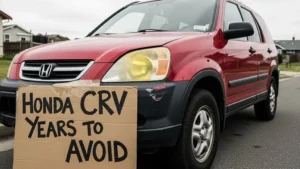
The first-generation Honda CR-V helped establish the model’s popularity, but from a modern ownership perspective, these vehicles are now among the Honda CR-V years to avoid. Age is the biggest enemy here. Even well-maintained examples suffer from wear-related failures simply due to time.
Common problems include advanced rust (especially in coastal or colder climates), premature automatic transmission failure, corroded brake lines, worn suspension components, and deteriorating wiring harnesses. Electrical issues such as repeated battery drain and malfunctioning sensors are common. Safety is another concern, as these models lack modern driver-assistance features and many were affected by Takata airbag recalls.
Because of these factors, most buyers and mechanics consider this generation bad years for Honda CR-V ownership unless the vehicle has been fully restored, which is rarely cost-effective.
Best option if unavoidable:
A clean 2001 model with documented restoration, though it still belongs on most years to avoid Honda CR-V lists.
2nd Generation Honda CR-V (2002–2006)
This generation is widely known for one of the most expensive failures in CR-V history: the infamous AC compressor issue known as “Black Death.” When the compressor fails, metal debris spreads throughout the entire air-conditioning system, often requiring a full system replacement.
Transmission overheating, AWD binding, and steering rack wear further reduce long-term reliability. These problems are especially concentrated in early years, making them frequent answers to what year Honda CR-V should I avoid.
The cost of AC repair alone can exceed the value of the vehicle, placing these models firmly among the worst Honda CR-V years.
Worst years:
2002, 2003, 2004
Relatively safer years:
2005–2006 (still age-sensitive)
3rd Generation Honda CR-V (2007–2011)
The third generation is popular on the used market, but reliability varies sharply by year. Early models suffer from excessive oil consumption caused by piston ring defects. Owners often report adding oil between changes, engine knocking, and long-term wear.
Electrical issues are also common, including door lock actuator failure, battery drain, and suspension misalignment. These recurring problems explain why many buyers search what year Honda CR-V should you avoid before considering this generation.
Worst years:
2007, 2008, 2009
Better years:
2010–2011 (still require careful inspection)
4th Generation Honda CR-V (2012–2016)
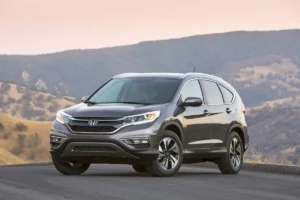
Overall, this generation is more reliable, but it includes one standout among the Honda CR-V worst years: the 2015 model. Honda introduced its Earth Dreams engine technology paired with a CVT, resulting in severe idle vibration. Many owners describe constant shaking that software updates failed to resolve.
Additional issues include brake warping, CVT hesitation, and infotainment glitches. While not catastrophic, these problems reduce ownership comfort and confidence.
Years to avoid:
2014–2015
Best years:
2013 and 2016 (widely regarded as some of the most reliable CR-Vs ever built)
5th Generation Honda CR-V (2017–2022)
Honda’s shift to a 1.5-liter turbocharged engine created one of the most controversial reliability issues in CR-V history: oil dilution. In colder climates, unburned fuel mixes with engine oil, thinning lubrication and accelerating wear.
Owners report fuel smells inside the cabin, rising oil levels, reduced heater performance, and long-term engine damage. These issues make early fifth-generation models frequent answers to which Honda CR-V years to avoid.
Worst years:
2017, 2018, 2019
Improved years:
2020–2022 (with verified updates and service records)
6th Generation Honda CR-V (2023–Present)
While still new, early data already shows concerning trends. Recalls related to sticky steering gearboxes and fuel pump defects raise safety questions. Although Honda is addressing these problems, limited long-term data keeps these models on many buyers’ caution lists.
These issues explain why even newer vehicles can appear in searches for bad years for Honda CR-V ownership.
Cost of Ownership: Why Problematic Years Get Expensive
Buying cheaper vehicles from Honda CR-V years to avoid often leads to higher long-term costs:
- Engine replacement: $4,000–$7,000
- Transmission repair: $3,000–$5,000
- AC system replacement: $2,500–$3,500
- Chronic oil consumption: hundreds of dollars annually
These costs quickly eliminate any upfront savings and are the main reason buyers regret choosing Honda CR-V bad years.
Best Honda CR-V Years to Consider
If reliability and peace of mind matter, focus on these safer options:
- 2009–2010
- 2013–2014
- 2016
- 2020–2022 (with full service history)
These models avoid most issues associated with the worst Honda CR-V years while still offering modern comfort and safety.
Advantages and Disadvantages of Honda CR-V
Pros
- Strong long-term durability in reliable years
- Good fuel efficiency
- Spacious interior and cargo capacity
- Strong resale value
- Proven naturally aspirated engines in older models
Cons
- Several Honda CR-V years to avoid
- Oil dilution in turbocharged models
- AC failures in early generations
- High cost of engine and transmission repairs
- Electrical and infotainment glitches
- Safety recalls in newer models
FAQs
Q1: What is the most reliable Honda CR-V year?
Many owners and mechanics consider 2016 and 2009–2010 among the most dependable.
Q2: Is a 2017 Honda CR-V with a turbo engine worth buying?
Proceed cautiously. Oil dilution issues mean strict maintenance and documented updates are essential.
Q3: How expensive are repairs on bad years?
Repairs on bad years for Honda CR-V can cost several thousand dollars depending on the issue.
Q4: Are older CR-Vs with high mileage worth buying?
Yes—if they belong to safer years and have complete service records.
Conclusion
Understanding which Honda CR-V years to avoid is critical before buying used. While the CR-V is generally a reliable compact SUV, certain model years suffer from recurring mechanical defects, safety recalls, and expensive long-term repairs. By researching model-year reliability, reviewing recall data, and following a structured inspection process, buyers can avoid financial stress and ownership regret.
Choosing the right year—not just the right price—ensures long-term satisfaction and protects your investment from the worst Honda CR-V years.