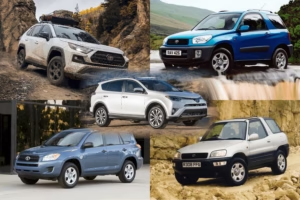
Not all Toyota RAV4 models are created equal. Some years easily cross 200,000 miles with minimal repairs, while others are prone to costly fixes. Knowing the best Rav4 years helps you avoid surprises, save money, and enjoy worry-free driving for years to come.
Toyota RAV4 is one of the most trusted compact SUVs in the global and used-car market. Buyers choose it for comfort, fuel efficiency, strong safety ratings, and long-term ownership value. Families, daily commuters, and even first-time buyers often see the RAV4 as a safe and practical investment.
However, one essential fact is often overlooked: not every Toyota RAV4 model year delivers the same reliability. Some years are known for exceptional durability and low maintenance costs, while others come with higher repair risks, transmission complaints, or early-generation issues. This is why many buyers actively search for the best years for the Toyota RAV4, the best year for the Toyota RAV4, and the best RAV4 years to buy before making a final decision.
As of 2025, the Toyota RAV4 remains among the top-selling SUVs worldwide, but rising vehicle prices make choosing the right year more critical than ever. Buying the wrong model year can lead to unexpected expenses and ownership frustration, while selecting the best year to buy the Toyota RAV4 can deliver years of dependable driving and substantial resale value.
This guide is designed to remove that confusion. Instead of listing every model year unthinkingly, it focuses on identifying good years for Toyota RAV4 ownership based on reliability data, owner feedback, and long-term performance trends. By the end, you’ll clearly understand which RAV4 years are worth your money in 2025—and which ones are better avoided.
Problem and Solution
Many Toyota RAV4 buyers assume that the brand name alone guarantees reliability. In reality, certain model years experience higher repair frequency, unexpected mechanical issues, and rising maintenance costs over time. These problems often appear after ownership, when warranties expire, and repair bills begin to add up.
This is where most buyers go wrong. Instead of researching the best year of the Toyota RAV4, they focus only on mileage, price, or exterior condition. As a result, some owners end up with years known for oil consumption, transmission hesitation, or electrical complaints—issues that slowly damage the vehicle’s dependability and resale value.
The solution is simple but crucial: choosing the right model year. Toyota RAV4 ownership can be smooth, affordable, and long-lasting when buyers target years with proven reliability records, fewer recalls, and positive owner feedback. Reliable sources such as Consumer Reports, J.D. Power, NHTSA recall data, and long-term owner reviews consistently highlight which years perform best and which ones should be avoided.
By focusing on the best years for Toyota RAV4, buyers reduce financial risk, enjoy better fuel efficiency, and gain confidence in long-term ownership—whether the vehicle is used for family driving, commuting, or road trips.
Overview of the Best Trustworthy RAV4 Years
The most reliable Toyota RAV4 years share common traits: strong reliability ratings, fewer mechanical complaints, reasonable maintenance costs, and long service life. These years often exceed 200,000 miles with routine care and retain solid resale value.
Based on industry data and owner experience, the following categories stand out:
- Older dependable options (2009–2012): Known for durability after early-generation fixes, making them strong, budget-friendly choices.
- Balanced mid-generation years (2016–2018): Frequently considered the Toyota RAV4’s best year to buy used due to refined performance, safety features, and fewer reported issues.
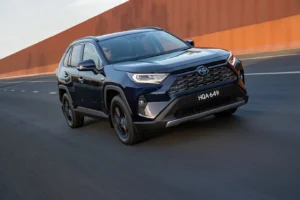
- Newer refined models (2021–2025): Improved hybrid systems, advanced safety technology, and better fuel economy place them among the best Rav4 years for buyers wanting modern features.
Hybrid models within these ranges also rank highly, as the best years of Toyota RAV4 hybrid options deliver excellent mileage without sacrificing reliability.
Choosing from these proven years allows buyers to maximize value while minimizing long-term ownership stress.
Reliability Evolution & Generation Comparison
Toyota RAV4 reliability has not remained the same across all generations. Each redesign introduced improvements, but also new challenges. For buyers searching for the best years for the Toyota RAV4, understanding how reliability evolved by generation is essential, as long-term durability is closely tied to engine design, transmission choices, and technology levels.
Independent data from Consumer Reports, J.D. Power, and long-term owner reviews consistently show that some generations outperform others, while early redesign years often experience more complaints.
Below is a realistic breakdown of reliability by generation.
First Generation (1996–2000)
This generation is known for mechanical simplicity and long-term durability. With minimal electronics and naturally aspirated engines, many of these vehicles exceeded high mileage with basic maintenance.
Reliability strengths:
- Simple engine architecture
- Low electronic failure risk
- Few major recalls
Limitations:
- Outdated safety standards
- Limited comfort and technology
- Age-related wear today
While these models demonstrate early Toyota durability, they are no longer practical for most modern buyers.
Second Generation (2001–2005)
Toyota improved in size and comfort, but reliability and consistency declined.
Common concerns:
- Transmission-related complaints
- Higher maintenance frequency
- Lower owner satisfaction
These years are generally not considered among the best RAV4 years and should be approached cautiously unless the vehicle has an exceptional maintenance record.
Third Generation (2006–2012)
This generation marks Toyota’s return to stronger reliability, though not all years performed equally.
Problematic early years (2006–2008):
- Oil consumption issues
- Premature engine wear
Improved later years (2009–2012):
- Engine problems largely resolved
- Strong owner reliability ratings
- Consistent long-term performance
The 2009–2012 models are often recommended as the best year for the Toyota RAV4 for budget-conscious buyers.
Fourth Generation (2013–2018)
Widely regarded as one of the most reliable generations in RAV4 history, this generation strikes a strong balance between durability and modern features.
Why it stands out:
- Reduced mechanical complaints
- Improved ride comfort
- Advanced safety technology
- Stable long-term maintenance costs
The 2016–2018 models are frequently ranked as the best year to buy used Toyota RAV4s, offering excellent reliability and resale value.
Fifth Generation (2019–Present)
This generation introduced advanced hybrid systems and improved fuel efficiency, but increased complexity required stricter maintenance discipline.
Early issues (2019–2020):
- Transmission hesitation complaints
- Software and infotainment glitches
Refined models (2021–2025):
- Improved reliability ratings
- Strong hybrid performance
- Higher owner satisfaction
Hybrid trims from this generation consistently rank among the best years of the Toyota RAV4 hybrid, while gasoline models also deliver dependable long-term ownership.
Generation-Wise Reliability Takeaway
- Early redesign years tend to have higher issue rates
- Mid-cycle refresh years offer the strongest reliability
- Hybrid models now lead in long-term dependability
This reliability pattern explains why the best years for the Toyota RAV4 are predictable rather than random.
Table of top years:
| Year | Reliability Score (J.D. Power/CR) | Key Strength | MPG (City/Highway) | Owner Satisfaction (KBB/5) |
| 2009-2012 | 85/100 (avg) | Post-fix durability | 22/28 | 4.2 |
| 2016-2018 | 82-85/100 | Safety tech, smooth ride | 23/30 | 4.3 |
| 2021-2023 | 75-80/100 | Hybrid efficiency | 27/35 (gas), 41 combined (hybrid) | 4.4 |
| 2024-2025 | 80/86 (predicted) | Modern features, low issues | 27/35 (gas), 41 combined (hybrid) | 4.0 (emerging) |
Why Some Toyota RAV4 Years Underperform
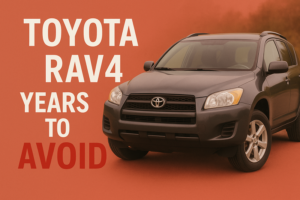
Not every Toyota RAV4 model year delivers the same ownership experience. In certain years, such as 2006–2008 and early 2019 models, higher numbers of complaints were reported regarding engine oil consumption, transmission behavior, and increased maintenance needs. These issues can lead to unexpected downtime and higher ownership stress.
The bigger issue is not just repairs, it’s choosing the wrong year when better-performing options exist. Buyers who overlook reliable model years often end up paying more over time while getting less value.
How the Right RAV4 Years Improve Ownership
Owners who select well-rated Toyota RAV4 years often experience smoother long-term ownership. These models typically offer:
- Fewer mechanical issues
- Lower maintenance frequency
- Better resale value
- Greater confidence for daily commuting and family use
In today’s high-cost vehicle market, choosing the right year helps protect both your budget and peace of mind.
Best Toyota RAV4 Years by Buyer Type
- 2016–2018 (Fourth Generation)
Known for strong reliability, refined safety features, and balanced ownership costs. - 2009–2012 (Budget-Friendly Choices)
Proven durability after earlier fixes, ideal for value-focused buyers. - 2021–2025 (Modern & Hybrid Models)
Improved fuel efficiency, advanced safety tech, and better refinement in later years.
Selecting from these proven years allows buyers to avoid common pitfalls and invest in a Toyota RAV4 that delivers long-term satisfaction.
User Guide: Integrating Best from Best/Worst Analyses
Merge insights from Toyota RAV4’s best and worst years: Avoid the worst (e.g., 2019) and embrace the best for optimal ROI. This detailed buyer’s roadmap integrates data from CR and J.D. Power, focusing on cross-referencing scores (aim 80+), reviews, and history.
Step-by-Step Buying Process
- Define Needs/Budget: Hybrid for efficiency ($25k+)? Gas for basics ($15k-$20k)?
- Research Years/Generations: Use CarBuzz rankings; prioritize 4th/5th gens.
- Check Reliability Data: Verify NHTSA recalls, CR predicted scores.
- Inspect Vehicle: Mechanic checks for leaks, test drives for noise/shifts.
- Review History: Carfax for mileage, accidents; negotiate on known strengths.
- Post-Purchase Setup: Schedule service, join forums like Rav4club.
Maintenance Tips for Longevity
- Annual oil changes with synthetic; monitor batteries in hybrids.
- Update software for infotainment; address TSBs early.
- For older: Rust-proof undercarriage; for new: Use premium fuel for efficiency.
Financing and Warranty Advice
Opt for a CPO (7-year/100k warranty); compare hybrids for 2025 tax credits.
Five Years of Best RAV4 Advantages and Disadvantages
Pros
- Exceptional Longevity: 200k miles typical, low failure rates.
- High Retail Value: 60% retention in 5 years, according to KBB.
- High tech and Safety: Toyota Safety Sense, blind spot.
- Fuel Savings: Hybrids save 41 mpg, which is a savings of $500 per year.
- Multi-purpose Comfort: Large (69 cu ft cargo), family car.
- Brand Reliability: Toyota leads in CR surveys.
Cons
- More initial investment: New 2025 models $30k; best Rav4 years used premiums.
- Tech Learning Curve: Early 4th gen infotainment glitches.
- Ride Quality: Stiff and jumpy in 2025, according to CR.
- Noise Levels: Acceleration engine and cabin noise.
- Poor Off-Road: Not as rough as the competitors.
- Warranty Gaps: The old age might require extensions.
FAQs
What is the best year for the Toyota RAV4 overall?
The 2016–2018 models offer the best balance of reliability, safety features, and ownership cost.
Which Toyota RAV4 years should be avoided?
The 2006–2008 and early-2019 models reported higher numbers of engine and transmission complaints.
What are the best years for the Toyota RAV4 hybrid?
The 2021–2025 hybrid models rank highest for fuel efficiency and predicted reliability.
Can a Toyota RAV4 last over 200,000 miles?
Yes, RAV4s from the best years regularly exceed 200,000 miles with proper maintenance.
Is the 2025 Toyota RAV4 worth buying?
Yes, it offers strong predicted reliability and hybrid efficiency, though some buyers note cabin noise.
CONCLUSION
Choosing the best years for the Toyota RAV4 is key to long-term value in an increasingly expensive vehicle market. While Toyota’s reputation for reliability is well-earned, not every model year delivers the same ownership experience. Early redesign years often carry higher repair risks, while mid-cycle and refined generations consistently outperform.
Buyers who prioritize proven years—such as 2009–2012 for affordability, 2016–2018 for balance, or 2021–2025 hybrids for modern efficiency—benefit from lower maintenance costs, more substantial resale value, and dependable daily performance. Understanding these distinctions allows shoppers to avoid regret and invest confidently in a vehicle that truly lasts.
When researched carefully, the Toyota RAV4 remains one of the most reliable and cost-effective compact SUVs available today.